
Houses are recycled like thrift store clothing, passed from one owner to the next. I have lived in twenty-three different locations since my marriage in 1997 from Washington, DC, to Oregon, and as exotic as Australia. Before my marriage I lived in three childhood residences and five different locations in Pennsylvania and New York as a missionary. Thirty-one in all, and I’m only fifty. I have more adventures to explore.
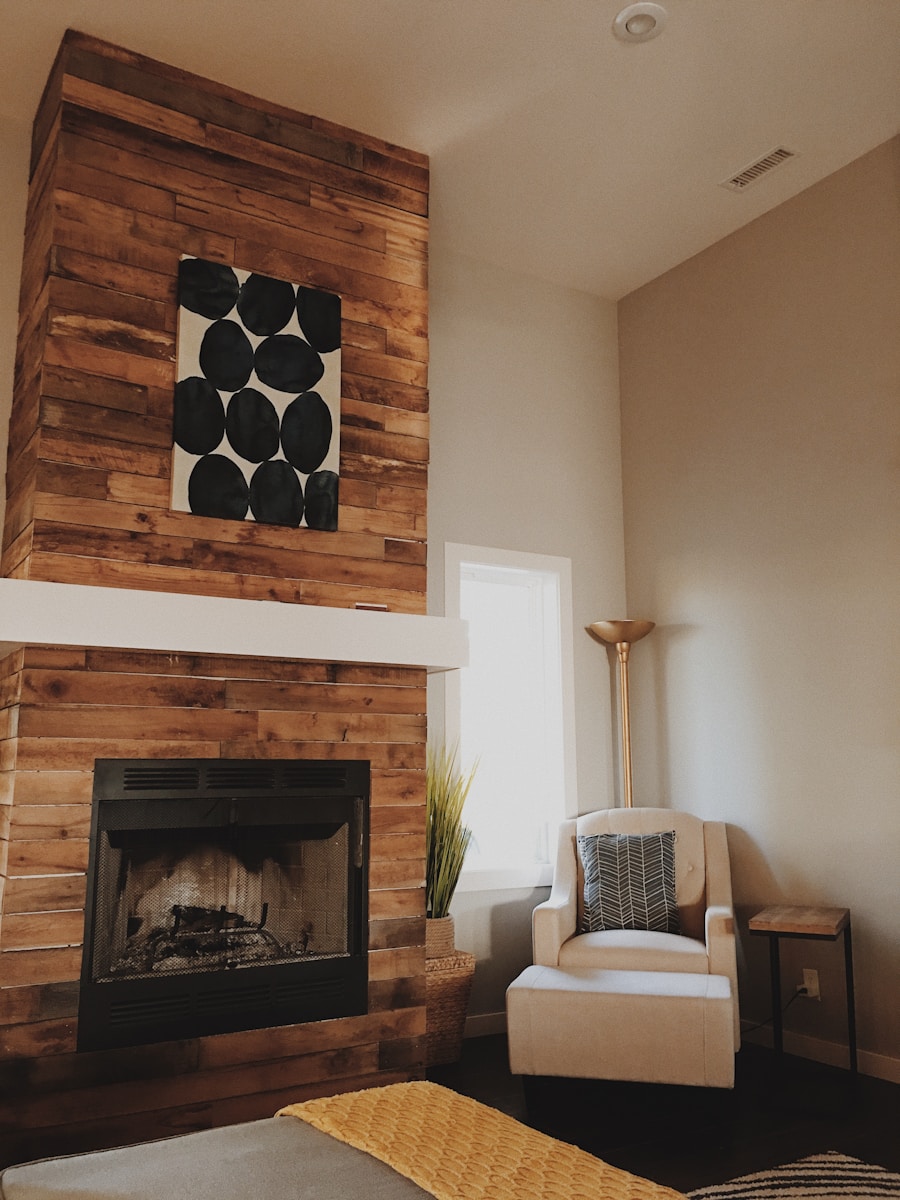
My grandparents’ home at 1570 22nd Street is one of the nicer and tallest on the street, two stories. On the top floor there is a mid-century fireplace that we surrounded at Christmas. Grandpa designed and built the home after they moved from a smaller home on lower 9th street.
Just after my grandfather completed the construction, he departed for Virginia and his assignment in the Navy. He was gone for a time while my grandmother raised three young boys. The home would later fill with a total of six children, their spouses and grandchildren.
The home anchored them with security and stability. My father knew no other home until he married in 1975. He’d live a couple months in a basement apartment before moving to a second home. He’d eventually settle five minutes away from his parents on 1250 South, yet 1570 would remain the epicenter of activity. My grandparents’ home and three surrounding homes were my little world.
Being one of the first couples in the area, my grandparents would help build the neighborhood with other small and budding families. My grandfather would eventually become the bishop of the local congregation at 1550 Ruston, three blocks to the north.
The church building nestled in the back of many small homes and overlooked the Ogden Canyon. He and my uncles helped with its construction with families like the Gilberts and Gladwells, who would later retire to North Ogden and graciously welcome my growing family into their homes.
My grandmother would come and pick me up and have me do chores. It felt like a gift to me. I was like my father and grandfather. A person who could work and contribute. She trusted me with assignments I was paid for. The money was a token of acceptance and initiation – my first job! I felt like I was a little man. A trusted worker.
After the work was done, we’d sit on the back patio and savor Jello pudding pops or Creamies. I loved the smell of freshly cut grass and the earthy nature of her garden. I observed once, “Grandma, you’re sweating.” She responded, “Women don’t sweat, they perspire.” I learned such lessons on the patio.
At 1586, the home to the east, lived a friendly young family with one little daughter. Grandma would tend Ellana, who was three. When I was there, I liked to look at monster cards: Frankenstein, the Mummy, Dracula, the Swamp Monster. Grandma would remind me, “Don’t show them to Ellana. She’s too young.” They would move when I was eight. The new family in the home wasn’t as welcoming.
Directly across the street was 1571, home to the television repair man. He would shock my siblings and me as he gutted the TV and placed all the parts on the floor. Anxiously awaiting the result, I’d watch, feeling like I was in surgery. It might die, I’d think to myself, and then it would work better than expected. There were also the times that he told dad, “Sorry, I can’t get any more life out of this one. You’ll need to buy a new one.” He would live at 1586 until he died many years after my grandparents moved to Layton. His lawn was well maintained. In high school when I drove by the neighborhood, it was immaculate and well groomed. The new owners have not done as well.
1564 was a strange home to the west. The neighbor didn’t take care of the yard. If you kicked or threw a ball through the large Cypress bushes shielding the property, you had to hope you’d find the ball. We’d have to run in and out of the yard like it was a secret mission not to disturb him. His home seemed to carry that personality into the next owners. Even today it’s still an ominous home to pass, some thirty years later. But I can see under the tall shaggy shrubs a solid orange brick structure that might be more than it is. I could add some flowers and trim the hedges – a cozy home.
The most interesting place at my grandparents’ home was the alley behind their garden. An area for compost and cats. The cats would quickly jump the fences and scatter. Grandma warned me, “Stay away from those cats. They aren’t friendly. You don’t want one to bite or scratch you.” There was a Siamese “Tom” that was particularly to be avoided. After the cats had run from us, I like to look through the piles of old walnut shells, leaves, and other debris. It was a curious alley because it didn’t go anywhere. It existed as a neutral place between four homes as a common ground. I think the gardens must have all benefited from the soil that would eventually generate from the mutual effort of combining different compostable contributions.
As I drive past their home now, years later, I want to go in and sit at the table. Grandma and I could play Chinese checkers, or my cousins and I could join the rest of the family on Sundays to eat homemade bread and milk. Grandpa would laugh. Such a good laugh. I wish I could hold them both again – perhaps while watching the Muppets or the Wonderful World of Disney.
I recognize that homes may get recycled, but anchors don’t drift. My fond memories of their home will always be with me. I recognize that their anchor gave me the freedom to explore and travel. My parents would follow in their example. They still have the home on 1250 south – over forty-five years later. My grandparents moved to their home in Layton, and I would still visit them there. My parents’ home would become the new epicenter and anchor for our spouses and children. Knowing I had a place to return to helped me endure many temporary places – basement apartments, studio nightmares, duplexes, condos, my first home, second home, etc. Knowing I could return freed me to wander.
Travis Marker is an attorney, writer, and lifelong student of the ways stories shape how we understand one another. His own writing—poetry, essays, and reflections—has appeared in journals in the United States and the United Kingdom, often returning to themes of place, memory, and the quiet tensions beneath ordinary life.